Rioja
Rioja
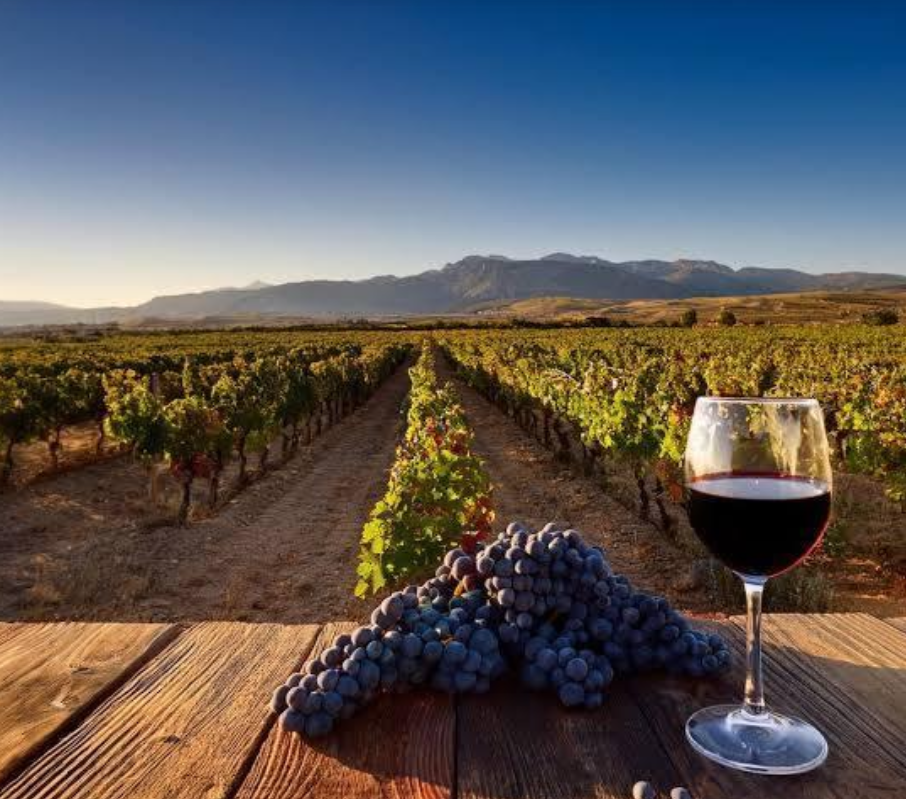
The Rioja wine region in north-central Spain offers what many consider one of the world's benchmark areas for Tempranillo grapes. Why? Top-quality examples from this area age tremendously well.
- ✦At 10 years, they evolve into polished red wines with rich red fruit notes.
- ✦At 20 years, they soften and subtly sweeten with nutty and dried fruit characteristics.
Still, the region is quite large and very productive, so it's easy to find a range of qualities. Not all are meant for aging, however.
Rioja's "core" identity is Tempranillo-led red wine, usually blended with Garnacha (freshness/alcohol), Graciano (aroma/acidity), and Mazuelo/Cariñena (color/tannin)—with modern plantings also including Maturana Tinta.
The classic profile ranges from red cherry and plum to tobacco, cedar, vanilla, and dried herbs when oak-aged, following Rioja's long tradition of barrel maturation.
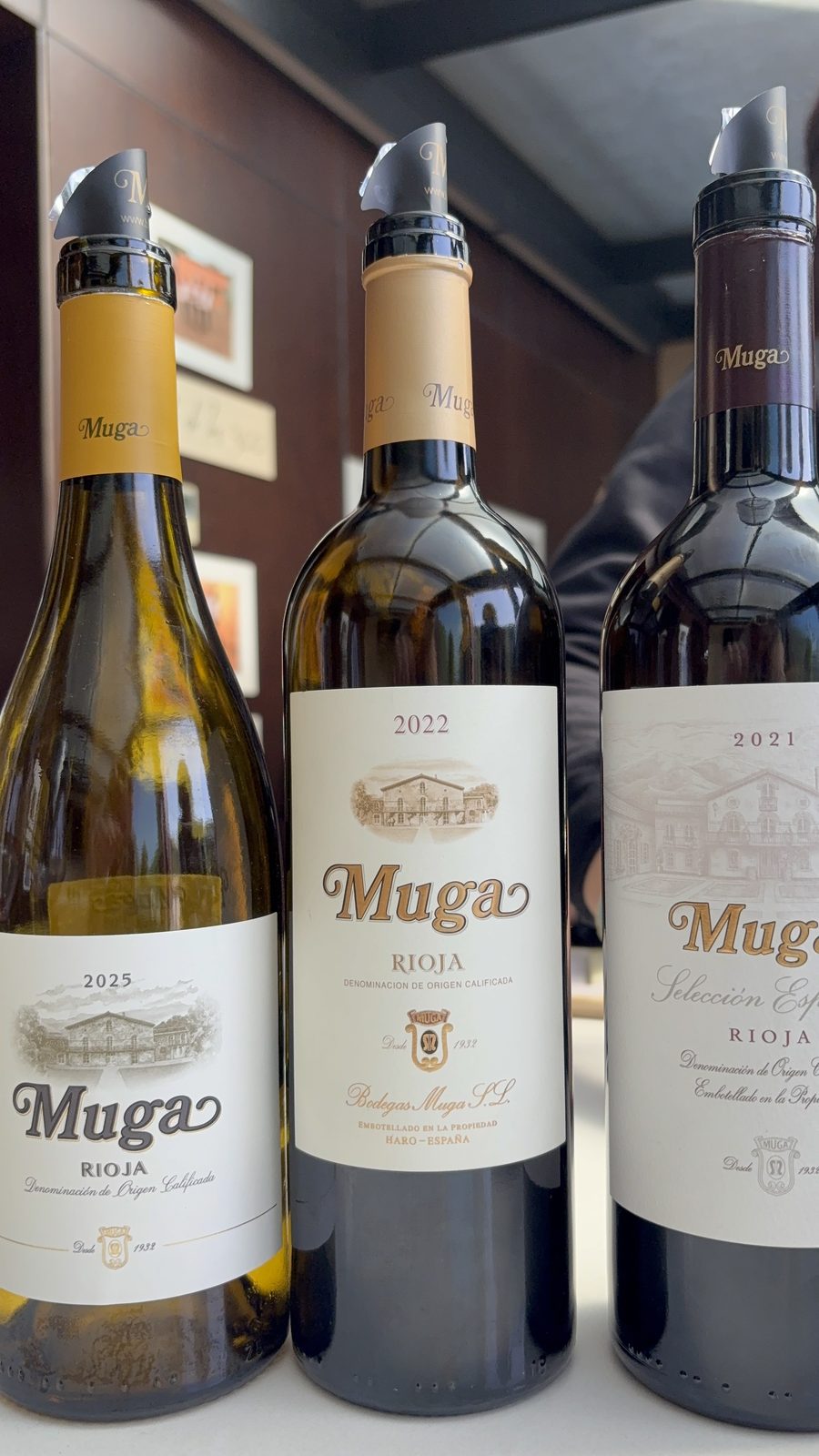
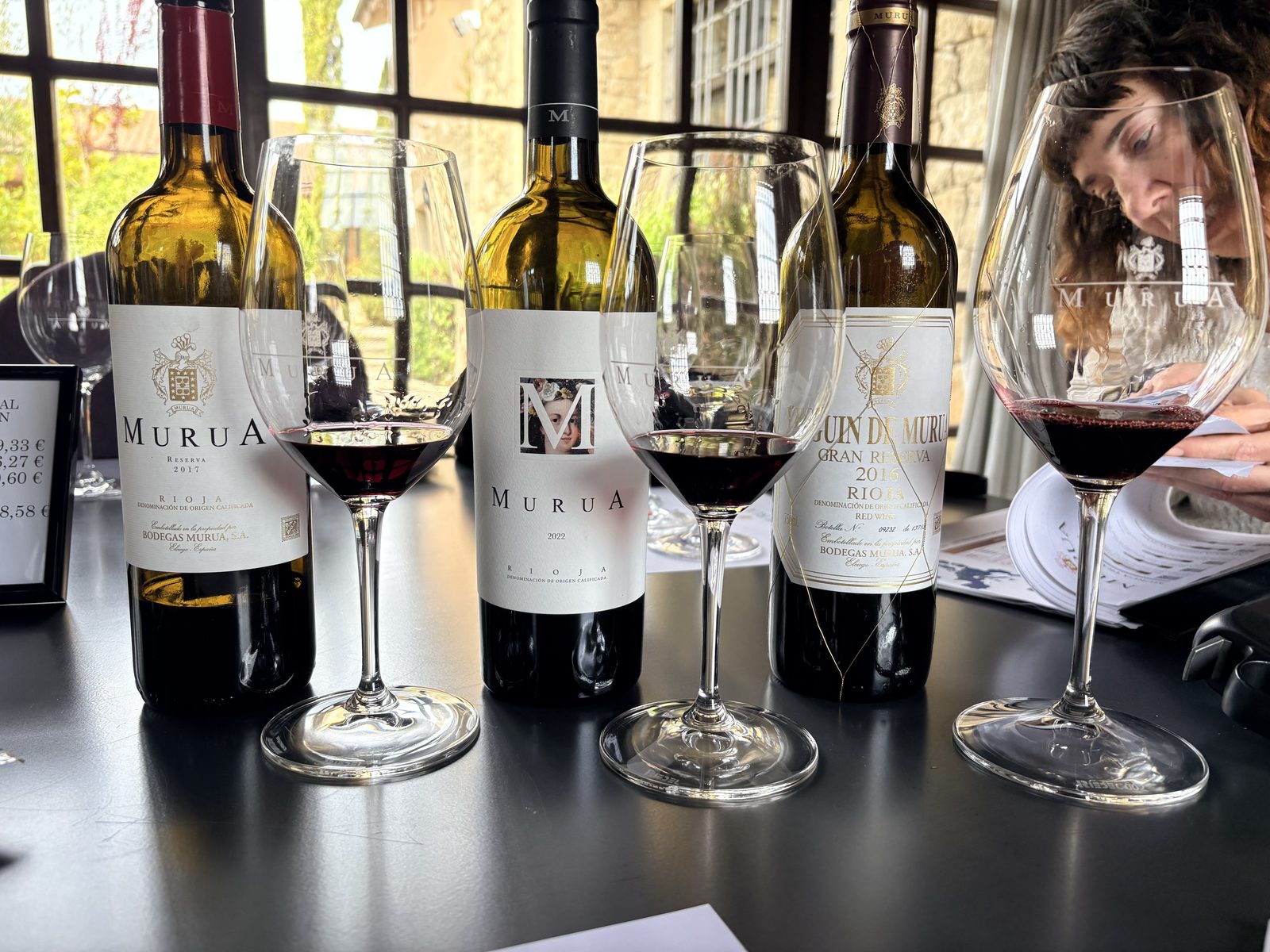
In practice, you'll encounter Rioja reds in a few common classifications. Joven (young) wines emphasize fruit and freshness; Crianza/Reserva/Gran Reserva scale up structure and savory complexity with longer aging (and often more integrated oak character). Rioja's aging categories are codified with minimum total aging and minimum time in barrel (and for higher tiers, substantial bottle time as well). Style-wise: Crianza is usually the best "any night" Rioja—bright fruit plus polish—while Reserva/Gran Reserva tilt toward leather, spice, dried flowers, and more silky texture. Tempranillo is so versatile that it can be used to make rosés, young red wines, and as is most known – for red wines suitable for long periods of aging.
Rioja is also an increasingly serious white-wine region, built historically on Viura (Macabeo) with Malvasía and Garnacha Blanca, and expanded to include varieties like Tempranillo Blanco and others permitted by the appellation. Whites range from zesty, citrus-and-pear stainless fermented styles to barrel-fermented/aged whites that can be creamy, nutty, and surprisingly age-worthy.
Beyond red and white, Rioja is notable for rosado (rosé) and for its officially recognized traditional-method sparkling wines ("Espumoso de Calidad de Rioja"), which broaden the region's repertoire beyond the still-wine classics. Rioja also introduced geographical indications (e.g., village/municipality, zone, and single-vineyard "Viñedo Singular") to spotlight origin alongside aging—useful when you want terroir detail.
Terroir
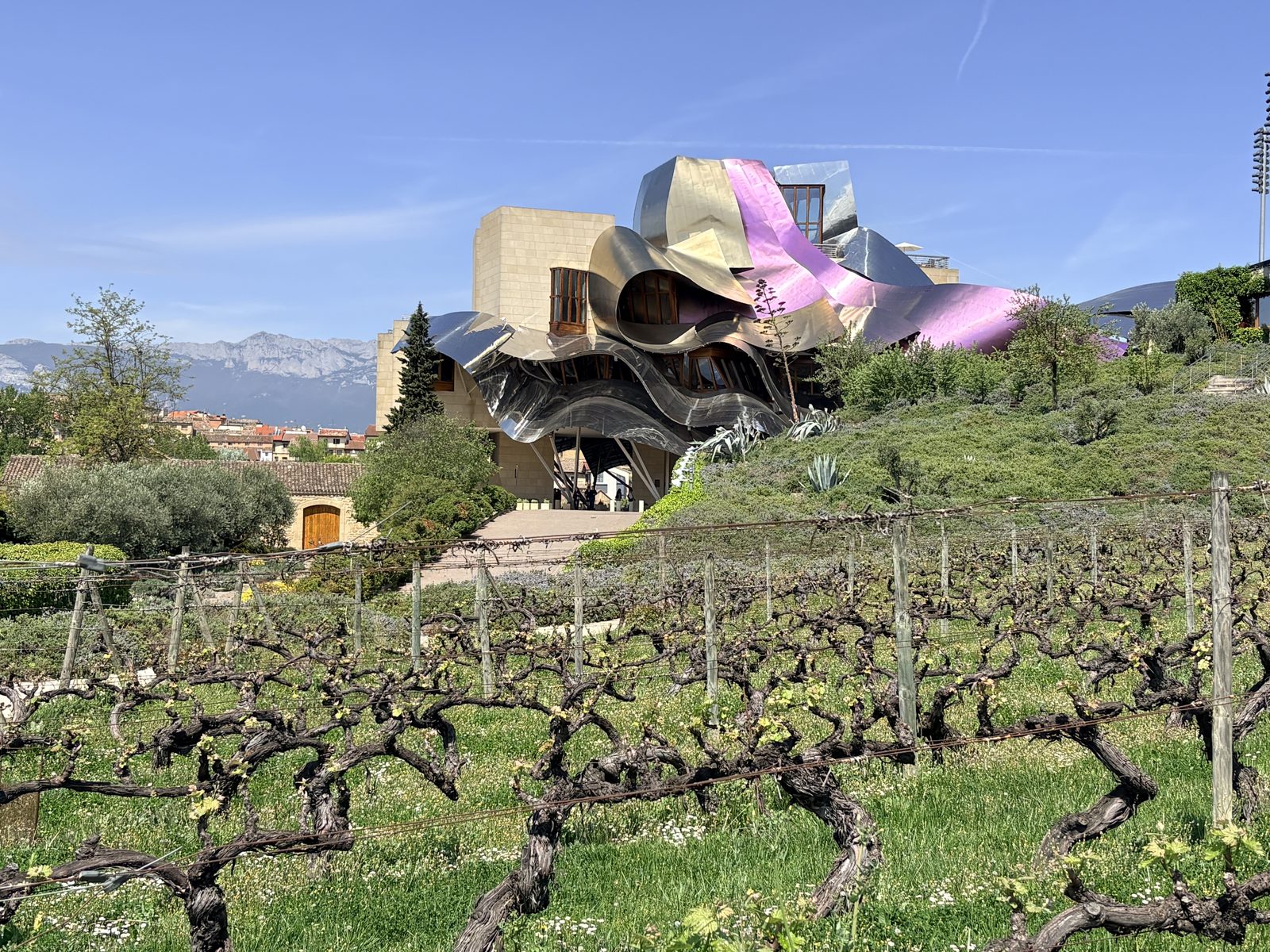
Rioja stretches roughly North West–South East of Spain, is protected by a ridge of mountains in the North, and sits along the Ebro River, with a blend of Atlantic and Mediterranean influences and vineyard elevations roughly 300–900 m, which helps explain why one Rioja can feel bright and another feels sunnier and plush. Official materials also describe major soil groupings (including clay-limestone, clay-ferrous, and alluvial) and note contrasts such as Rioja Oriental's warmer/drier feel versus more Atlantic-influenced areas.
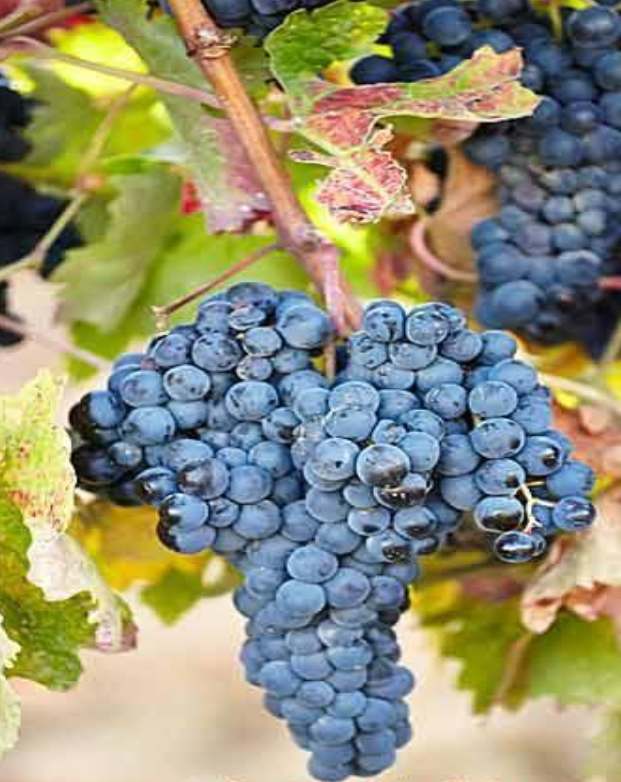
Tempranillo is moderately drought-resistant and very productive. Thus, the best sites have moderately poor soils that limit productivity naturally. High yields tend to reduce intensity. It produces higher tannin and deeper colour when grown in clay-based soils. Cooler nighttime temperatures keep the bunches tight, improving tannin structure and acidity during ripening. It's a sensitive, thin-skinned grape that generally benefits from protection from windy locations. It loves the sun.
Pairing
Rioja red is a natural with lamb chops, jamón, chorizo, grilled mushrooms, and roast chicken (Crianza especially). Reserva/Gran Reserva loves slow-cooked beef, oxtail, game, aged Manchego, and anything that's been braised. Whites shine with cod (bacalao), roast pork loin, paella, creamy poultry dishes, and tapas like croquetas; sparkling Rioja is great with fried snacks, anchovies, and celebratory food.
Classification: Rioja
- ✦Official classification: DOCa Rioja — Denominacion de Origen Calificada — Spain's highest wine classification, reserved for regions with exceptional, long-standing quality, strict controls, and above-average prices, requiring years as standard DO (Denominacion de Origen) before qualifying.
- ✦One of only two DOCa regions in Spain (the other is Priorat)
Rioja also has internal geographic sub-zones (optional on labels):
- ✦Rioja Alta
- ✦Rioja Alavesa
- ✦Rioja Oriental (formerly Rioja Baja)
Aging classifications (very important on Rioja labels):
- ✦Joven – little or no oak
- ✦Crianza – min. 2 years aging (≥1 year in oak for reds)
- ✦Reserva – min. 3 years (≥1 year oak)
- ✦Gran Reserva – min. 5 years (≥2 years oak)
Compared to Ribera del Duero, Rioja is more: regulated, traditional, and very strict with aging rules.
Sources: The New Sotheby's Wine Encyclopedia, Stevenson and Szentkiralyi, National Geographic, 2020, ChatGPT, Consejo Regulador DOCa Rioja - Riojawine, Decanter, Perfect Cellar, Wine Folly, Spanish Boutique Wines.
Ribera del Duero
Overview
Ribera del Duero is, above all, Tempranillo—locally called Tinto Fino / Tinta del País—and it tends to come across darker, more powerful, and more tannic than many coastal or lower-elevation Tempranillo expressions. The region also allows smaller amounts of Cabernet Sauvignon, Merlot, Malbec, and Garnacha Tinta, but the signature is still that high-definition Ribera Tempranillo voice: black cherry, blackberry, licorice, and a firm, earthy backbone.
Most Ribera wines you'll see are red in a few familiar tiers. Young/early-drinking wines (often labeled Joven or sometimes Roble) lean into fruit with a touch of oak; Crianza steps up structure and spice with longer aging; and Reserva/Gran Reserva move into deeper complexity, typically with more layered oak integration and longer evolution in bottle. Crianza is usually 24 months total aging with a meaningful portion in oak, with Reserva/Gran Reserva requiring longer total aging. In the glass, that usually translates to: Crianza = juicy power with polish; Reserva/Gran Reserva = more savory depth, tobacco/cedar notes, and a longer finish.
Ribera is also (quietly but increasingly) about white wine, anchored by Albillo Mayor, the principal authorized white grape—often made as textured, aromatic whites that can handle some oak, not just crisp "patio whites." You'll also find rosado (rose - often Tempranillo-based), typically dry with red-berry fruit and enough structure to be more than a simple aperitivo.
Terroir
In Ribera del Duero, they say, "10 months of winter and 2 months of hell." The region's extremely cold winters, followed by hot (and shorter) growing season, paired with its soils (sandy clay with chalk-limestone marls), produces a richer style of wine. In Ribera del Duero, you'll often find it referred to as "Tinta del País," meaning "country red."
Ribera del Duero sits on Spain's high northern plateau along the Duero River valley, with many vineyards roughly 750–1,000 m in elevation—key for preserving freshness despite hot summers. The climate is generally described as continental/Mediterranean with strong day–night swings and frost risk, which helps explain the combination of ripe fruit and firm structure. Soils are notably varied, with many sedimentary mixes of sands/silts/clays and frequent limestone/chalky elements, which many sources link to the region's backbone and age-worthiness.
Pairing
Ribera reds love protein and smoke. Think lechazo (Castilian roast lamb), grilled steak, morcilla, lamb kebabs, and roasted peppers; Crianza is fantastic with burgers, ribeye, lamb shoulder, and hard cheeses. Reserva/Gran Reserva are great with slow-braised short ribs, venison, mushroom stews, and aged sheep's milk cheeses—foods with enough depth to keep up with the wine. Albillo Mayor whites work nicely with roast chicken, pork, richer fish (turbot, monkfish), creamy rice dishes, and tapas that include almonds, Manchego, and jamón—basically, the Iberian Peninsula's greatest gourmet dishes.
Classification: Ribera del Duero
- ✦Official classification: DO Ribera del Duero
- ✦Not DOCa yet, in process
- ✦Aging classifications (similar names, slightly different rules): Idem for Rioja
Ribera tends to be:
- ✦Higher altitude
- ✦More Tempranillo dominance
- ✦More muscular, darker styles
- ✦Less use of sub-regional labeling than Rioja
Sources: Foods & Wines from Spain, spanishwinelover.com, Wine Folly, Ribera del Duero, ChatGPT, The New Sotheby's Wine Encyclopedia, Stevenson and Szentkiralyi, National Geographic, 2020
Summary
- ✦Rioja = a symphony orchestra (blended grapes, blended regions, oak harmonizing everything).
- ✦Ribera del Duero = a soloist (Tempranillo taking the spotlight, powerful and commanding).
Taste Spain's finest in person
Join our Spain tour — through the rolling bodegas of Rioja and the high-plateau vineyards of Ribera del Duero.