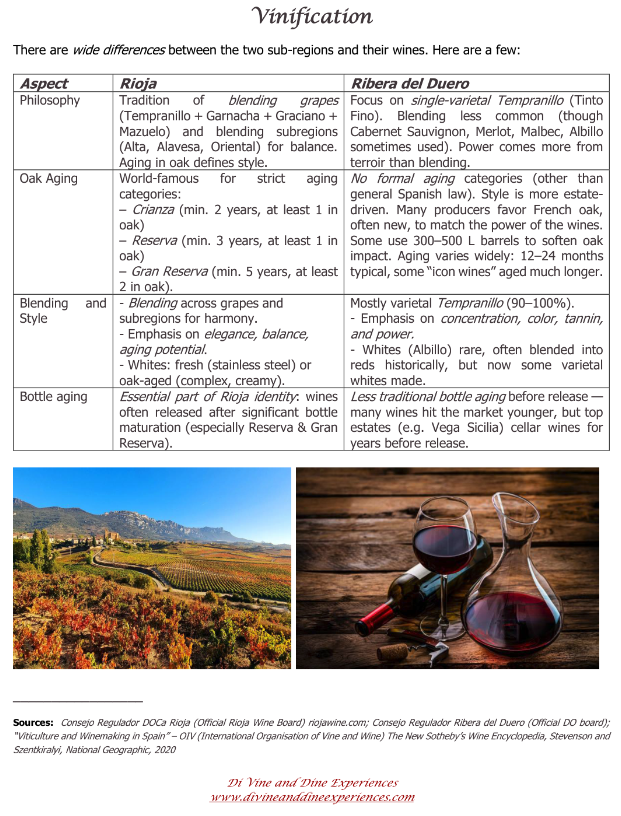
A tailored trip for wine lovers and foodies: immerse yourself in Rioja and Ribera del Duero's enogastronomic - the art of pairing wine with food - culture. You will visit the most iconic, award-winning wineries, picture-perfect towns and learn about the creation of the magical elixir called wine in these two regions now producing highest quality wines, many of which are world class.
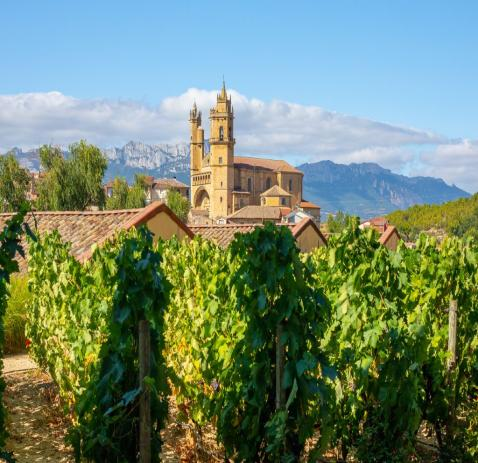
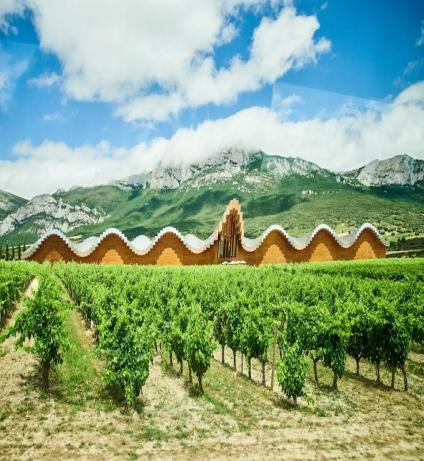
You will savor the delectable cuisine perfectly paired with local and national wines; visit producers; admire Medieval, Romanesque and Gothic Architecture; Avant-garde Wine Cathedrals (wineries), Castillian stone villages, among others.
The tour starts in Bilbao, site of the world-famous Gugenheim Museum (which we will visit), and ends in Madrid which offers you the opportunity to extend your stay in Spain or travel over the close-by border to France or further afield, Andorra, Barcelona and others, should you wish to do so. Rioja is on the well-known pilgrim's route – Santiago de Compostella.
During the tour, you will learn the story and essentials of grape and wine production, participate in tastings, and explore the concepts of pairing wines with appropriate foods. We hope to refine both your nose for Rioja and Ribera wines and their many aromas, from cherry to plums, vanilla, tobacco, and others, depending on the state of maturation and the terroir. In addition, you will enhance your ability to discern the varied flavors (e.g., ripe red and black fruit, dried fig, vanilla) that the tastings will familiarize you with.
We will learn the enological (wine) terminology and grasp the elements of food pairing, so that you may more fully enjoy the renown wines of Northern Spain.
The two neighboring regions are quite different and produce very different wines, making them a true case study of how terroir so strongly affects the final wine. Of course, the viticulture and vinification process also affect the final outcome. A summary/analogy of the two regions:
Rioja = a symphony orchestra (blended grapes, blended regions, oak harmonizing everything).
Ribera del Duero = a soloist (Tempranillo taking the spotlight, powerful and commanding).
Itinerary
Arrival in Bilbao. Transfer to a 4-star hotel.
Guggenheim museum + lunch + tasting at Bodega Ysios. Then to La Rioja (Logroño).
Concathedral of Santa Maria de la Redonda + Marqués de Murrieta + López de Heredia.
Marqués de Riscal (City of Wine) + Viña Real.
Free day to explore Logroño.
Transfer to Ribera del Duero: Vega Sicilia + Alión.
Viña Sastre (Hermanos Sastre) + Abbey of Santo Domingo de Silos.
Burgos: Pradorey + Peñafiel: Protos and Comenge + Peñafiel Castle.
End of trip. Drive to Madrid Airport after breakfast.
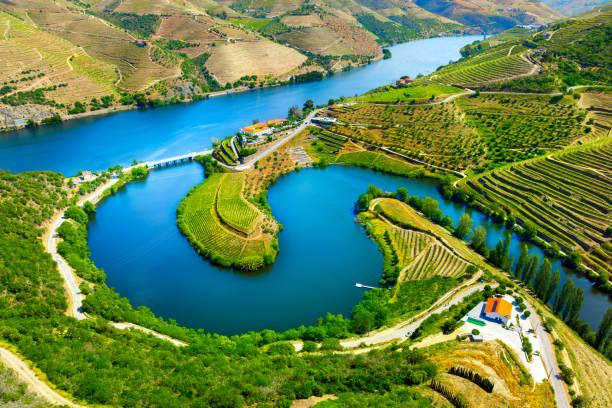
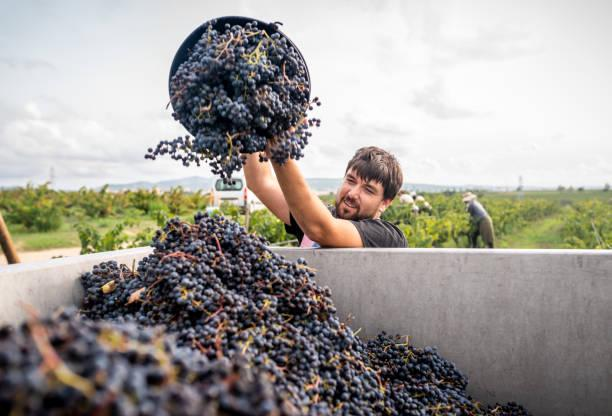
Lodging
4-star hotels. The tour's meeting point will be at the Bilbao airport. From there, we will travel approx. 90 miles by private bus, where we will be staying at two hotels in the Rioja and the Ribera del Duero regions.
Gastronomy & Pairing
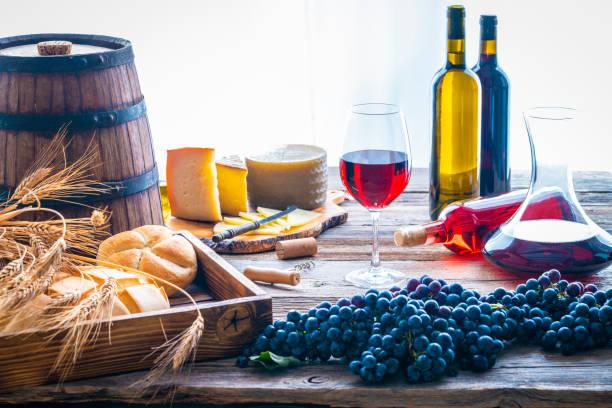
The region's gastronomy is famous, including hearty dishes like lechazo asado (roast suckling lamb), patatas a la riojana, cordero al chilindrón, and tapas culture, especially in Logroño's Calle Laurel. In addition to tastings, we will dine at restaurants with exquisite plates paired with appropriate high end red and white wines.
Other Activities
We will also visit major cultural sites (e.g., San Millán de la Cogolla, Santo Domingo de Silos, Romanesque churches, etc.). Final itinerary may have small changes depending on arrangements.
History of Wine Production in Spain
For millenia, Spain supplied top wines to nations in power: Alicante, Tarragona and Sherry to the Romans; Ribadavia and Sherry to the British, and Rioja more recently to the French and North Americans.
By the 1970s, Spanish wines had gained a poor reputation due to standardization and high production policies under Franco's dictatorship. Democracy and the nation's entry in the European Union brought swift change for the better. Spain is now in second place in the world in terms of volume and third in terms of value and produces a large number of world-class wines.
At premium levels, Rioja, Ribera, Cava and Sherry can be relied upon to produce high quality wines, while diversity and little-known jewels are the secret wild cards for connoisseurs.
Rioja & Ribera del Duero — Terroir and Viticulture
Terroir — Rioja
Three subregions: Rioja Alta, Alavesa and Oriental – differing altitudes (300–800 m), climate (Atlantic or Mediterranean; 400–600 mm rainfall) and soils (clay-calcareous, alluvial or ferruginous). The blend of climates, soil diversity and varying altitudes gives Rioja wines balance, good acidity, and graceful aging potential.
Terroir — Ribera del Duero
Harsher and more extreme: high plateau, cold winters, hot continental summers, very poor soils → darker, denser, more powerful wines with strong tannins and great aging potential. Rioja is grace and finesse; Ribera is power and intensity.
Viticulture
Main grapes: Reds (90%) Tempranillo, Garnacha, Mazuelo and Graciano. Whites: Viura, Garnacha Blanca, Malvasia, and Tempranillo Blanco more recently. Ribera uses Tempranillo 90–100%. Practices focus on quality and protection from extreme conditions.
Summary comparison (Rioja vs Ribera del Duero) including philosophy, oak aging approach, blending/style and bottle aging is provided in the vinification chart.